Vena Journal · Body Care
A Simple Body Care Routine You Can Actually Keep
Build an easy body-care routine for soft, glowing-looking skin with a daily after-shower ritual, optional weekly care, and simple dry-skin tips.
Share this ritual

A Simple Body Care Routine You Can Actually Keep
Short answer: A dependable body-care routine does not need a crowded shelf. Cleanse gently, moisturize while skin is still slightly damp, protect exposed skin from the sun, and add occasional care only when it serves a clear purpose. The best routine is the one that fits your shower schedule and feels pleasant enough to repeat.
Body care can be wonderfully practical and quietly luxurious at the same time. It is a few minutes to make skin feel more comfortable, a chance to notice dry-prone areas before they become distracting, and a small daily reset that belongs entirely to you. “Glowing” skin does not have to mean shiny or complicated; here, it means skin that looks soft, conditioned, and naturally luminous.
The four-part rhythm
Think of body care as a rhythm rather than a long checklist. Each step has a job, and not every step needs to happen every day.
|
When
|
What to do
|
Why it helps
|
|
In the shower
|
Use comfortably warm water and a gentle cleanser where you need it
|
Cleans without making the routine feel unnecessarily stripping
|
|
Right after
|
Pat dry, leaving a little moisture on the skin, then apply a moisturizer
|
Helps support comfortable, conditioned-feeling skin; applying after bathing is recommended for dry skin care
|
|
During the day
|
Cover up or use broad-spectrum sunscreen on exposed areas
|
Helps protect exposed skin from ultraviolet radiation; the AAD recommends broad-spectrum, water-resistant SPF 30 or higher
|
|
Once or twice weekly
|
Add one optional care step, such as gentle exfoliation or a longer moisturizing ritual
|
Keeps the routine intentional without turning body care into a project
|
Your daily body-care routine
1. Keep the shower comfortable, not extreme
A long, very hot shower can feel satisfying in the moment, but it may leave dry-prone skin feeling tight afterward. Choose comfortably warm water and give the most attention to areas that actually need cleansing. A gentle, fragrance-free cleanser can be a useful option when skin is easily bothered; if a product stings, burns, or consistently leaves you uncomfortable, stop using it.
You do not need to scrub every inch of skin to feel clean. Let the water and cleanser do most of the work, and save more focused polishing for an occasional step if your skin tolerates it.
2. Pat instead of polishing
When you step out, pat your skin with a towel rather than rubbing until it is completely dry. The goal is not to stay wet—it is simply to leave the surface lightly damp for the next step. This small timing change makes moisturizing easier because you can spread a smaller amount over a larger area.
3. Moisturize while skin is lightly damp
Apply your chosen body moisturizer within a few minutes of bathing, concentrating on areas that tend to feel tight, such as the shins, elbows, knees, hands, and feet. The American Academy of Dermatology notes that skincare products are generally best applied from thinner to thicker textures, while Cleveland Clinic recommends looking for moisturizer ingredients and textures that match your level of dryness .
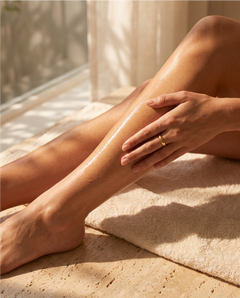
Body oil can be especially appealing at this point because it spreads smoothly over lightly damp skin and leaves a soft, luminous finish. Warm a small amount between your palms, then smooth it over the body with long, easy strokes. Start with less than you think you need; you can always add another drop to a dry-prone area.
A small Vena ritual: Vena Pure Magic Body Oil is made for lightly damp skin and a soft, conditioned finish. Shop Pure Magic Body Oil
4. Make sun protection part of body care
If your arms, legs, chest, neck, or other areas will be exposed, finish with broad-spectrum sunscreen according to the product directions. The AAD recommends broad-spectrum, water-resistant SPF 30 or higher and reapplication when appropriate, including after swimming or sweating . Body oil and sunscreen have different roles: oil can help skin feel conditioned, while sunscreen is the dedicated sun-protection step.
For the most comfortable finish, allow your moisturizer or oil to settle before applying sunscreen. On a day when you will be outside for a while, keep reapplication in mind rather than treating sunscreen as a one-time morning step.
A realistic weekly routine
Weekly care should make the everyday routine easier, not compete with it. Choose one or two moments when you naturally have a little more time—perhaps after a weekend shower or before changing your sheets—and use them for a slower version of your normal care.
Choose exfoliation carefully
If you like the feel of smoother skin, use one gentle exfoliating step rather than layering several strong ones. Avoid aggressive scrubbing, especially over irritated, freshly shaved, or sun-exposed skin. Exfoliation is optional; it is not a test of whether your routine is working.
Afterward, return to a simple moisturizer. If your skin feels hot, raw, itchy, or unusually tight, skip exfoliation and focus on comfort instead. Persistent or severe dryness deserves professional guidance rather than more products .
Give dry-prone areas extra attention
A weekly foot, hand, elbow, or knee ritual can be more useful than a full-body treatment. Apply a richer layer of moisturizer to the area, give it a few minutes to absorb, and put on comfortable clothing or socks if that helps you avoid wiping it away.
Reset your products
Once a week, notice what you actually used. Put the products that support your routine where you can reach them, and set aside anything that repeatedly causes discomfort or creates unnecessary steps. Consistency often comes from reducing friction, not adding motivation.
Seasonal adjustments that keep the routine comfortable
Your body-care routine can stay structurally the same while the texture and timing change with the season.
|
Season or situation
|
Consider adjusting
|
Keep in mind
|
|
Cold or dry weather
|
Use a richer lotion or butter on tight areas, and moisturize promptly after bathing
|
More product is not always better; apply in a thin, even layer and add only where needed
|
|
Warm, humid weather
|
Choose a lighter-feeling lotion or a small amount of oil, especially in areas covered by clothing
|
Comfort and breathability matter as much as finish
|
|
Travel or busy weeks
|
Keep one cleanser and one dependable moisturizer accessible
|
A two-step routine you repeat is more valuable than an elaborate routine you postpone
|
|
More time outdoors
|
Apply sunscreen to exposed skin and reapply as directed
|
Do not use body oil as a substitute for sunscreen
|
|
Shaving or hair removal
|
Moisturize gently afterward and avoid immediate aggressive exfoliation
|
Let skin settle before adding extra polishing steps
|
If you are deciding between textures, this guide to body oil, lotion, or body butter can help you choose based on the day’s weather, your skin’s feel, and how quickly you want the finish to settle.
How to make the routine stick
The most useful body-care habit is attached to something you already do. Keep your moisturizer near the towel, apply oil after you turn off the shower, or make sunscreen part of getting dressed on outdoor days. A visible cue removes the need to remember from scratch.
It also helps to set a minimum version. On a rushed day, cleanse the areas that need it, pat dry, and moisturize the places that feel dry. On a slower day, extend the ritual to your arms, legs, and feet. Both versions count.
Use your hands as feedback. Skin that feels comfortable and flexible is a better signal than chasing a particular level of shine. If a product creates persistent irritation, discontinue it. If dryness is severe, painful, cracked, widespread, or not improving with basic care, consult a healthcare professional; dry skin can sometimes be related to an underlying condition or medication .
A two-minute version for busy mornings
You can also keep body care simple outside the shower. Apply a small amount of moisturizer or body oil to the areas that feel dry, then give it a moment before dressing. Add sunscreen to exposed skin if you are heading outdoors. This is not a replacement for a full shower routine; it is a practical backup that protects the habit from an overfull day.
For a more detailed product ritual, read how to apply body oil after a shower. The essential idea is simple: use a small amount on lightly damp skin, spread it evenly, and let comfort—not excess product—guide you.
Frequently asked questions
How often should I moisturize my body?
Once daily is a useful starting point, especially after bathing. If your skin feels dry sooner, moisturize those areas again. The best timing is the one you can repeat, with after-shower application being particularly practical because skin is still slightly damp .
Is body oil enough for dry skin?
It can be a comfortable choice for many people, particularly when applied to lightly damp skin. Very dry-feeling areas may prefer a richer lotion or butter, or a layered approach. Texture is personal, so pay attention to how your skin feels several hours after application rather than judging only the immediate finish .
Should I exfoliate before or after moisturizing?
If you exfoliate, do it during or after cleansing and follow with moisturizer. Keep the exfoliating step gentle and occasional. There is no need to exfoliate if your skin is irritated, freshly shaved, or already comfortable without it.
Can I use body oil and sunscreen together?
Yes, but they are not interchangeable. Use body oil for a conditioned-feeling finish and sunscreen as the dedicated sun-protection product on exposed skin. Follow the sunscreen label, and choose broad-spectrum SPF 30 or higher for exposed areas as recommended by the AAD .
What should I do if my skin feels tight after showering?
Try shorter showers with comfortably warm rather than hot water, a gentle cleanser, and moisturizer applied promptly while skin is lightly damp. If the tightness persists, becomes painful, or comes with significant itching, scaling, cracking, or a rash, seek medical advice .
Do I need a separate morning and evening body routine?
Not necessarily. One dependable after-shower routine is enough for many people. Add a second application only where skin needs it, or when a seasonal change, travel schedule, or extra time outdoors makes it useful.
A routine worth repeating
A body-care routine should meet you where you are. Start with gentle cleansing, a prompt moisturizing step, and sunscreen for exposed skin. Add weekly care only when it feels helpful, then adjust textures with the weather and your own comfort in mind.
The goal is not to maintain a perfect sequence. It is to build a small, reassuring rhythm that leaves skin feeling soft, conditioned, and cared for.
References
Keep reading